The Hidden Hazard in Your Laundry Room
When was the last time you thought about your dryer duct? If you’re like most homeowners, the answer is probably “never.” Yet this overlooked component of your home could be harboring a serious safety hazard and costing you money with every load of laundry.
The Lint Problem You Can’t See
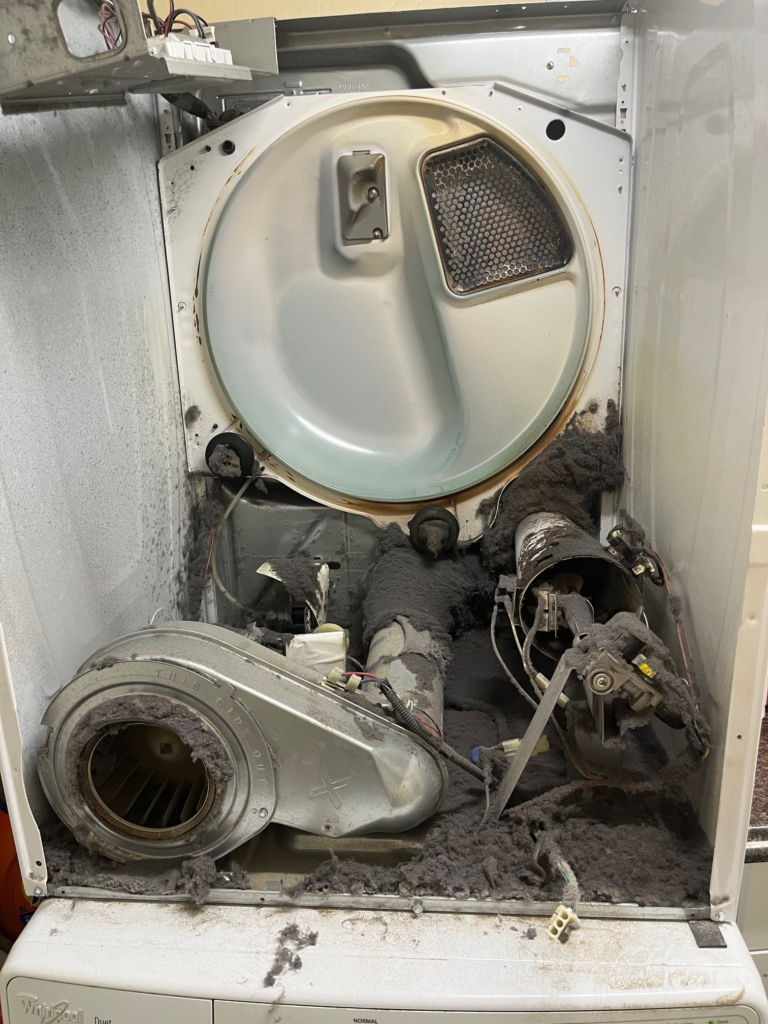
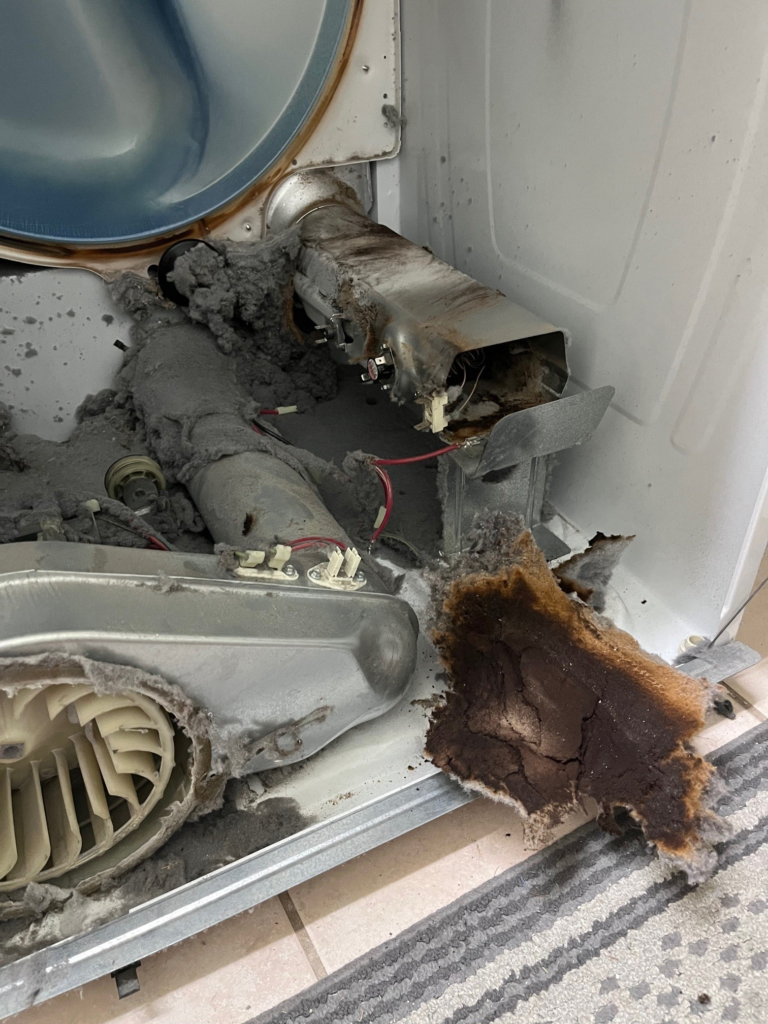
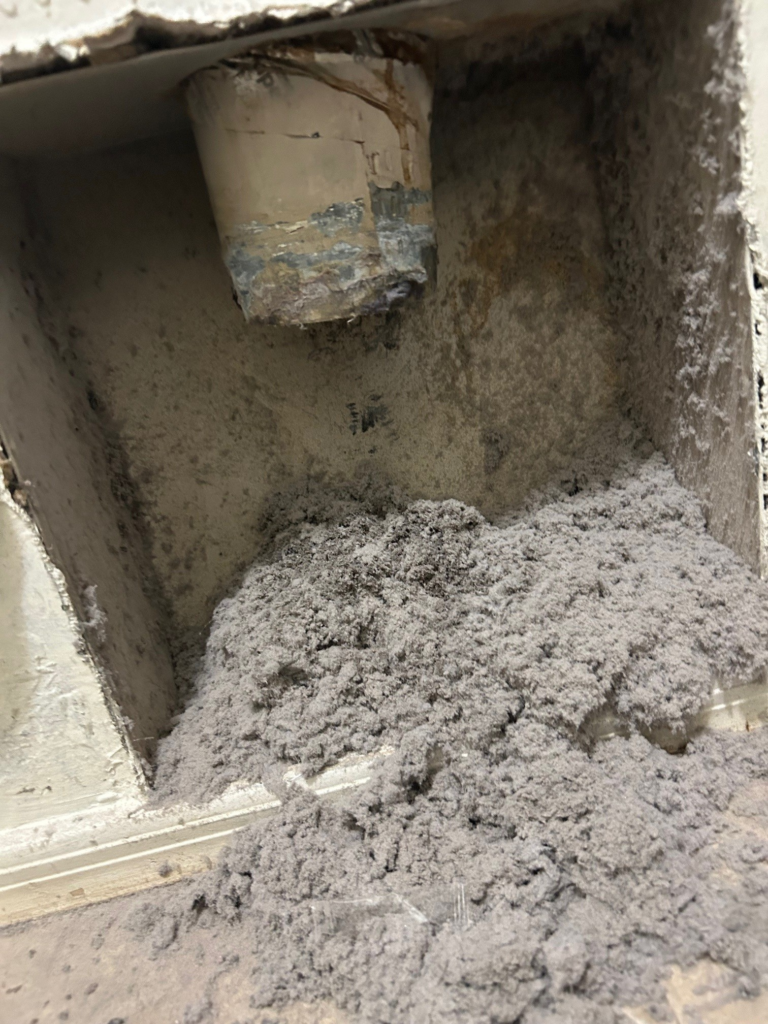
Every time you run your dryer, lint escapes the filter and accumulates in the exhaust duct. Even if you’re diligent about cleaning the lint trap after every load, tiny fibers still make their way into the ductwork. Over months and years, this buildup becomes substantial, creating a thick, fuzzy coating along the interior walls of your duct system.
This accumulation doesn’t just appear overnight. It’s a gradual process that most homeowners remain completely unaware of until a problem emerges. The lint collects in the bends and turns of the ductwork, in the transition hose behind the dryer, and even in the exterior vent hood.
The Fire Risk
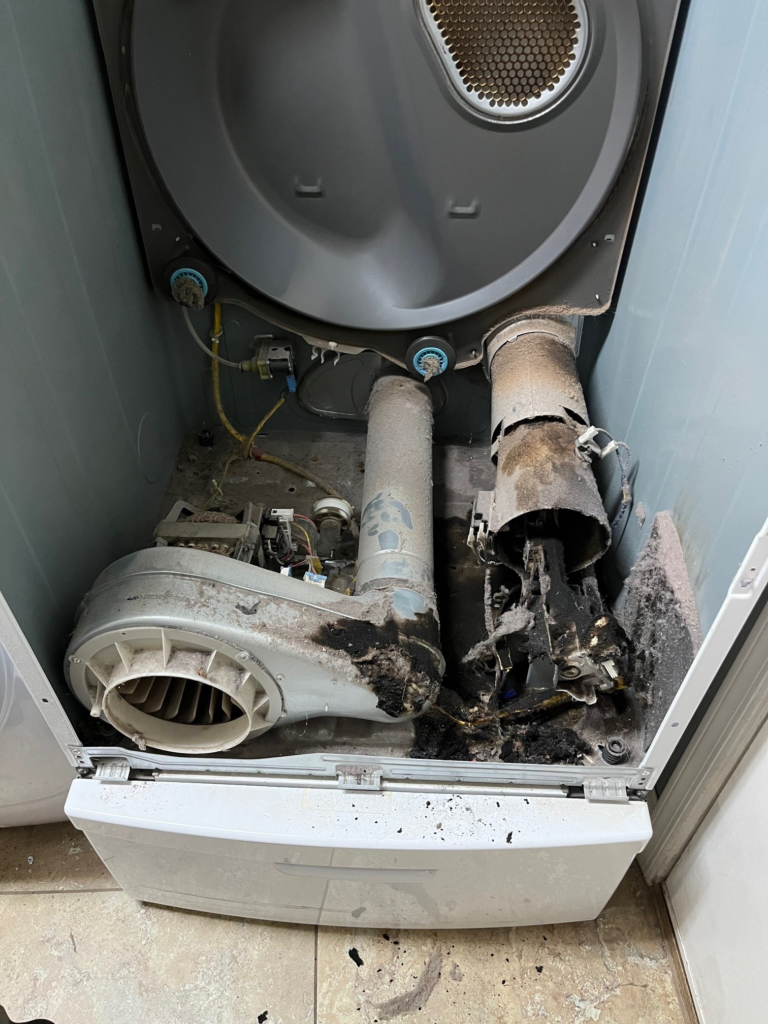
Here’s the sobering truth: according to the U.S. Fire Administration, failure to clean dryer ducts is the leading cause of dryer fires in residential buildings. Lint is highly flammable, and when combined with the heat generated by your dryer, it creates a perfect recipe for disaster. Thousands of dryer fires occur each year, resulting in injuries, deaths, and millions of dollars in property damage.
The risk increases significantly when ducts become severely clogged. As lint restricts airflow, heat builds up inside the dryer and ductwork. When temperatures reach a critical point, that accumulated lint can ignite.
Warning Signs Your Ducts Need Cleaning
Your dryer will often tell you when it’s struggling with clogged ducts. Watch for these red flags:
Longer drying times are often the first sign. If clothes that once dried in one cycle now require two or three, restricted airflow is likely the culprit.
Excessive heat in your laundry room or on your clothing at the end of a cycle indicates poor ventilation. The dryer is working harder and getting hotter because it can’t exhaust properly.
A burning smell should never be ignored. This could indicate lint beginning to scorch from excessive heat.
The exterior vent flap doesn’t open properly when the dryer is running, suggesting blocked airflow.
Beyond Safety: The Cost Factor
Clogged dryer ducts don’t just threaten your safety—they drain your wallet. When your dryer can’t exhaust efficiently, it has to run longer to dry each load. This increased run time translates directly to higher electricity or gas bills. Some estimates suggest that a clogged dryer duct can increase energy costs by as much as thirty dollars per month.
Additionally, the extra strain on your dryer shortens its lifespan. The motor, heating element, and other components wear out faster when the machine has to work harder to do its job. You’ll face more frequent repairs and earlier replacement.
The Moisture and Mold Connection
When dryer ducts become clogged, moisture from wet clothes can’t escape properly. This excess humidity may be released into your laundry room or even back into your home. Over time, this moisture creates ideal conditions for mold and mildew growth, potentially affecting your indoor air quality and creating health concerns for your family.
How Often Should You Clean?
Most experts recommend having your dryer ducts professionally cleaned at least once a year. However, some households may need more frequent cleaning. If you do multiple loads of laundry daily, have a large family, or frequently dry items that produce lots of lint like towels and blankets, consider cleaning every six months.
Homes with longer duct runs or ducts with multiple bends may also need more frequent attention, as these configurations make it easier for lint to accumulate.
Professional vs. DIY Cleaning
While you can purchase dryer duct cleaning kits for DIY maintenance, professional cleaning offers distinct advantages. Professionals have specialized equipment that can thoroughly clean the entire length of your ductwork, including hard-to-reach areas. They can also inspect for damage, improper installation, or other issues that could compromise safety or efficiency.
A professional service typically involves disconnecting the dryer, cleaning the interior exhaust port, thoroughly cleaning the entire duct run using high-powered vacuums and rotating brushes, cleaning the exterior vent, and checking for proper airflow and any installation issues.
Simple Maintenance Between Cleanings
While professional cleaning is essential, you can take steps between services to minimize buildup. Clean your lint trap before or after every single load without exception. Periodically vacuum around and behind your dryer. Check the exterior vent regularly to ensure it opens freely and isn’t blocked by lint, bird nests, or debris. Avoid overloading your dryer, which can produce more lint and reduce efficiency.
The Bottom Line
Your dryer duct is easy to forget, but ignoring it comes with real consequences. From the serious fire risk to increased energy bills and premature appliance failure, a clogged dryer duct affects your safety, your comfort, and your budget.
The good news is that prevention is straightforward. Regular professional cleaning, combined with simple maintenance habits, keeps your dryer running safely and efficiently. It’s a small investment that provides significant returns in peace of mind and long-term savings. Don’t wait for warning signs to appear. Schedule a dryer duct inspection and cleaning today. Your family’s safety and your wallet will thank you.
Call or text Shane to start a conversation or to schedule an appointment at 206-305-1355.