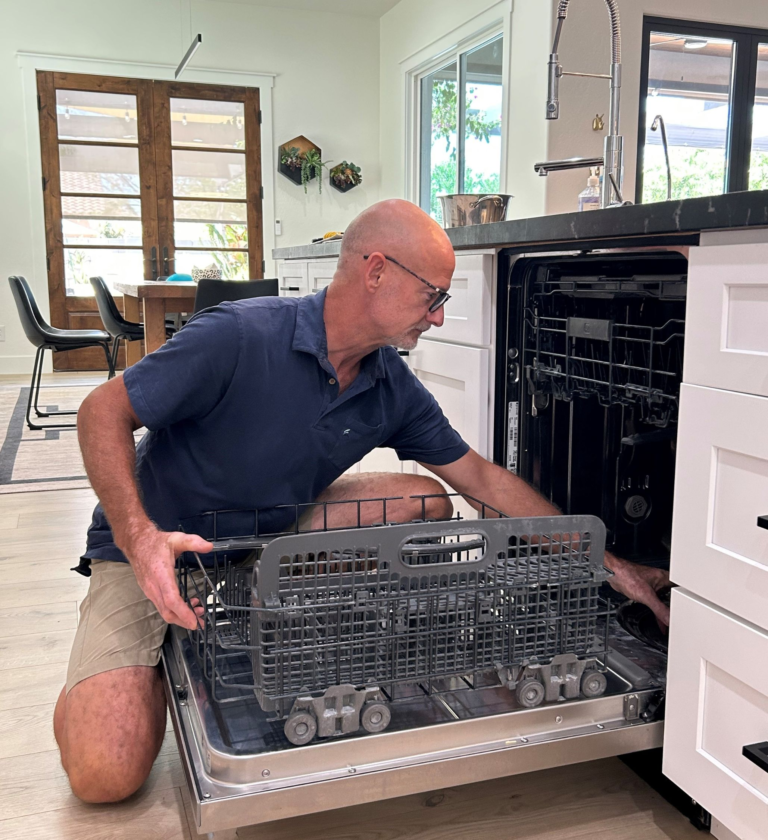
For years, the standard advice for homeowners was simple: if a repair costs more than 50% of the price of a new machine, scrap it and buy a new one. But as we move through 2026, that “old-school” math is starting to fail.
In the Southeast Valley, we’re seeing a shift. Between rising appliance prices and the increasing complexity of new “smart” models, the 50% rule has evolved. Here is why repairing your current unit might be the smarter financial move this year.
1. The “Quality Gap”
Modern appliances—especially those built in the last two to three years—are often built with more plastic and thinner metals than the “workhorse” models from five or ten years ago. If you have a high-end KitchenAid dishwasher or a Whirlpool set from 2018, the build quality is often superior to a mid-range unit you’d buy today. Spending 60% of the cost of a new unit to keep a high-quality machine running is often a better long-term investment.
2. The “Hidden” Replacement Costs
When you buy a new appliance, you aren’t just paying the sticker price. You have to account for:
- Delivery and Installation: Often $150–$300.
- Haul-away Fees: For your old unit.
- Modification Costs: New units often have slightly different dimensions, requiring cabinet or plumbing adjustments.
3. Supply Chain & Availability
While the shortages of previous years have leveled out, specific high-efficiency parts and specific premium models can still have lead times. A repair usually gets your life back to normal in days, not weeks.
The Verdict: In 2026, I recommend a 70% Rule for premium brands. If you own a high-performing machine, it is almost always worth the investment to keep that “Rock Solid” foundation rather than gambling on a lower-quality replacement.